When it comes to self-care and wellness, understanding the various types of massage therapy available can transform your approach to health and relaxation. Whether you’re seeking relief from chronic pain, looking to reduce stress, or simply wanting to pamper yourself, knowing which massage technique suits your needs is essential.
At Grand Wellness Spa, located at 51 South Avenue, NCC Bank, Gulshan 1, Dhaka 1212, we’ve helped countless clients discover the perfect massage therapy for their unique wellness goals. This comprehensive guide explores different types of massage therapy, their specific benefits, and the techniques that make each one special.
From the gentle strokes of Swedish massage to the targeted pressure of deep tissue work, the world of massage therapy offers something for everyone. Let’s dive into this complete guide to help you make informed decisions about your wellness journey.
What is Massage Therapy?
Massage therapy is a holistic healing practice that involves manipulating the body’s soft tissues—muscles, tendons, ligaments, and connective tissues—to promote physical and mental well-being. This ancient therapeutic technique has evolved over thousands of years, with different cultures developing unique approaches to healing through touch.
The massage therapy benefits extend far beyond simple relaxation. Regular massage sessions can improve circulation, reduce muscle tension, enhance flexibility, boost immune function, and promote better sleep quality. Whether you’re an athlete recovering from intense training or a professional dealing with desk-related stress, there’s a massage type designed specifically for your needs.
Understanding the different types of massage therapy helps you choose the most effective treatment for your specific condition. Each technique uses distinct methods, pressure levels, and focuses to achieve particular therapeutic outcomes.
Popular Types of Massage Therapy
Swedish Massage
Swedish massage stands as one of the most popular massage types in spa centers worldwide, and for good reason. This gentle, relaxing technique forms the foundation of many Western massage practices.
Techniques and Approach: Swedish massage employs five primary strokes: effleurage (long, gliding movements), petrissage (kneading), tapotement (rhythmic tapping), friction (deep circular movements), and vibration. Therapists use light to medium pressure, making this an ideal choice for first-time massage recipients or those seeking pure relaxation.
Key Benefits:
- Reduces stress and promotes deep relaxation
- Improves blood circulation throughout the body
- Eases muscle tension without intense pressure
- Enhances flexibility and range of motion
- Supports better sleep patterns
- Boosts overall mood and mental clarity
Swedish massage is perfect for anyone new to massage therapy or those who prefer a gentler approach to bodywork. At Grand Wellness Spa, our skilled therapists customize the pressure to your comfort level, ensuring a truly personalized experience.
Deep Tissue Massage
When people search for “deep tissue vs Swedish massage,” they’re often trying to understand which technique addresses chronic pain more effectively. Deep tissue massage focuses on the deeper layers of muscle and fascia, making it ideal for persistent tension and injury recovery.
Techniques and Approach: This therapeutic massage technique uses slow, deliberate strokes and concentrated pressure on specific problem areas. Therapists may use their fingers, thumbs, knuckles, elbows, and forearms to reach deep muscle layers and break up adhesions (bands of rigid tissue that can cause pain and restrict movement).
Key Benefits:
- Relieves chronic muscle pain and stiffness
- Breaks down scar tissue from injuries
- Reduces inflammation and swelling
- Improves posture by releasing deep-seated tension
- Helps rehabilitate injured muscles
- Lowers blood pressure and heart rate
- Addresses conditions like fibromyalgia and arthritis
It’s worth noting that deep tissue massage may cause some temporary soreness, similar to post-workout muscle fatigue. However, this discomfort typically subsides within a day or two, leaving you feeling significantly better than before.
Thai Massage
Thai massage offers a unique approach among massage types, combining elements of yoga, acupressure, and assisted stretching. Often called “yoga for lazy people,” this ancient practice originates from traditional Thai medicine dating back over 2,500 years.
Techniques and Approach: Unlike table-based massages, Thai massage takes place on a comfortable floor mat. The therapist uses hands, knees, legs, and feet to move you through various yoga-like stretches while applying rhythmic pressure along energy lines (called “sen” lines in Thai medicine). You remain fully clothed in loose, comfortable attire throughout the session.
Key Benefits:
- Dramatically improves flexibility and range of motion
- Increases energy levels and reduces fatigue
- Relieves headaches and migraines
- Balances the body’s energy systems
- Enhances athletic performance
- Reduces back pain through spinal decompression
- Promotes mental clarity and emotional balance
Thai massage is particularly beneficial for people who feel stiff, those with limited flexibility, or anyone seeking an invigorating full body massage experience that differs from traditional table massage.
Hot Stone Massage
Hot stone massage represents one of the most luxurious types of massage therapy, combining the therapeutic benefits of massage with the soothing warmth of heated stones. This technique has roots in various ancient cultures, including Chinese medicine and Native American healing practices.
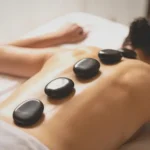
Techniques and Approach: Smooth, heated basalt stones (typically warmed to 130-145°F) are placed on specific points along the body—often along the spine, stomach, chest, face, palms, and feet. The therapist may also hold the stones while performing traditional massage strokes, allowing the heat to penetrate deeply into muscles.
Key Benefits:
- Melts away tension more effectively than massage alone
- Improves circulation and blood flow
- Reduces muscle spasms and increases flexibility
- Promotes deep relaxation and stress relief
- Eases symptoms of autoimmune conditions
- Helps relieve symptoms of anxiety and depression
- Supports better immune function
The combination of heat therapy and massage techniques makes hot stone massage particularly effective for those with extremely tight muscles or anyone seeking ultimate relaxation. At Grand Wellness Spa, we carefully monitor stone temperatures to ensure your complete comfort and safety.
Aromatherapy Massage
Aromatherapy massage enhances traditional massage therapy benefits by incorporating essential oils extracted from plants, flowers, and herbs. This holistic approach addresses both physical and emotional well-being simultaneously.
Techniques and Approach: This massage technique typically follows Swedish massage principles but incorporates carefully selected essential oils diluted in carrier oils. The oils are applied to the skin during massage and also diffused in the room, allowing therapeutic compounds to be absorbed through the skin and inhaled through the respiratory system.
Key Benefits:
- Reduces anxiety and depression through aromatherapeutic effects
- Enhances relaxation with calming scents like lavender
- Boosts energy with invigorating oils like peppermint
- Supports immune function with antimicrobial essential oils
- Improves sleep quality
- Relieves headaches and migraines
- Balances hormones and reduces PMS symptoms
Different essential oils target specific concerns—lavender for relaxation, eucalyptus for respiratory issues, rosemary for mental clarity, and chamomile for inflammation. Your therapist at Grand Wellness Spa will help select the perfect oil blend for your needs.
Sports Massage
Athletes and active individuals often seek sports massage, a specialized form designed to prevent and treat injuries while enhancing athletic performance. This massage type has become essential in professional sports and is increasingly popular among recreational athletes.
Techniques and Approach: Sports massage combines techniques from Swedish massage, deep tissue work, and stretching, adapted specifically for athletic demands. Pre-event massages use stimulating strokes to warm up muscles, while post-event sessions focus on recovery and reducing muscle soreness. Maintenance massages help prevent injuries during training periods.
Key Benefits:
- Prevents sports-related injuries
- Improves flexibility and range of motion
- Reduces muscle soreness and speeds recovery
- Enhances athletic performance
- Breaks down scar tissue from previous injuries
- Improves focus and mental preparation
- Extends athletic career longevity
You don’t need to be a professional athlete to benefit from sports massage. Weekend warriors, gym enthusiasts, and anyone engaged in regular physical activity can experience significant improvements in performance and recovery.
Shiatsu Massage
Shiatsu, meaning “finger pressure” in Japanese, is a traditional massage therapy that balances the body’s energy flow through acupressure points. This therapeutic massage technique has been practiced in Japan for centuries.
Techniques and Approach: Shiatsu practitioners use fingers, thumbs, palms, elbows, and sometimes knees and feet to apply pressure to specific points along the body’s meridians (energy channels). Sessions typically occur on a floor mat with clients fully clothed. The pressure varies from gentle holding to firm, sustained compression.
Key Benefits:
- Balances the body’s energy systems
- Reduces stress and tension
- Relieves headaches and migraines
- Improves digestion and reduces nausea
- Eases menstrual discomfort
- Supports emotional well-being
- Enhances body awareness
Shiatsu is particularly effective for people dealing with stress-related conditions, digestive issues, or those seeking a more energetic approach to healing rather than purely physical manipulation.
Reflexology
Reflexology focuses specifically on the feet, hands, and ears, working on the principle that these areas contain reflex points corresponding to every organ and system in the body. This massage type offers a unique approach to full-body wellness.
Techniques and Approach: Reflexologists apply precise pressure to specific reflex points using thumb, finger, and hand techniques. Rather than using oils or lotions, this therapy relies on direct pressure. Each point corresponds to different body parts—for example, the tips of the toes relate to the head, while the heel corresponds to the lower back and intestines.
Key Benefits:
- Reduces stress and induces deep relaxation
- Improves circulation throughout the body
- Cleanses the body of toxins
- Balances energy and stimulates the nervous system
- Relieves pain and discomfort
- Boosts immune function
- Enhances overall well-being
Many people who are uncomfortable with full body massage find reflexology more accessible since it focuses on clothed extremities. It’s also excellent for those with limited time, as effective sessions can be completed in 30-45 minutes.
Prenatal Massage
Pregnancy brings wonderful changes but also physical discomfort. Prenatal massage, specially designed for expectant mothers, addresses the unique needs of pregnant women while ensuring safety for both mother and baby.
Techniques and Approach: Prenatal massage adapts traditional massage techniques to accommodate pregnancy’s physical changes. Therapists use special cushions or side-lying positions to ensure comfort and safety. The focus remains on areas experiencing the most strain—lower back, hips, legs, and feet—while avoiding certain pressure points that could stimulate contractions.
Key Benefits:
- Reduces back pain and sciatica
- Decreases swelling in hands and feet
- Relieves muscle tension and headaches
- Improves sleep quality
- Reduces stress hormones
- Enhances skin elasticity
- Provides emotional support during pregnancy
Prenatal massage is generally safe after the first trimester, though you should always consult your healthcare provider before beginning any massage therapy during pregnancy. At Grand Wellness Spa, our therapists are specially trained in prenatal techniques and safety protocols.
Lymphatic Drainage Massage
Lymphatic drainage massage represents a gentle, specialized technique designed to stimulate the lymphatic system—the body’s natural detoxification and immune defense mechanism.
Techniques and Approach: This massage uses extremely light, rhythmic strokes that follow the direction of lymph flow toward lymph nodes. Unlike deep tissue massage, lymphatic drainage requires minimal pressure since lymph vessels lie close to the skin’s surface. The gentle pumping movements encourage the natural circulation of lymph fluid.
Key Benefits:
- Reduces swelling and fluid retention
- Detoxifies the body by removing waste products
- Boosts immune system function
- Reduces inflammation
- Promotes healing after surgery
- Improves skin tone and appearance
- Relieves symptoms of lymphedema
This therapeutic massage technique is particularly beneficial for people recovering from surgery, those with chronic inflammation, or anyone seeking to support their body’s natural detoxification processes.
Trigger Point Therapy
Trigger point therapy targets specific areas of muscle tension—hyperirritable spots in muscle fibers that cause pain in other parts of the body. Understanding these “trigger points” helps explain referred pain patterns many people experience.
Techniques and Approach: Therapists locate trigger points through palpation and apply sustained pressure (typically 30-90 seconds) to these specific spots. While this can be temporarily uncomfortable, the pressure releases the knot and alleviates referred pain. The technique may be incorporated into other massage types or performed as a standalone treatment.
Key Benefits:
- Eliminates referred pain patterns
- Releases chronic muscle knots
- Improves range of motion
- Reduces headache frequency and intensity
- Addresses myofascial pain syndrome
- Complements other pain management approaches
- Provides long-lasting relief
Many people who experience unexplained pain—such as headaches originating from neck trigger points—find dramatic relief through this focused therapeutic approach.
Massage Therapy Benefits: A Comprehensive Overview
Understanding massage therapy benefits helps you appreciate why regular sessions should be part of your wellness routine. The advantages extend across physical, mental, and emotional dimensions.
Physical Health Benefits
Pain Management and Relief: Different types of massage therapy excel at addressing various pain conditions. Chronic back pain, arthritis discomfort, sports injuries, and tension headaches all respond positively to appropriate massage techniques. Studies show that regular massage can reduce pain levels as effectively as some medications, without the side effects.
Improved Circulation: Massage techniques and benefits include enhanced blood flow, delivering oxygen and nutrients to tissues while removing metabolic waste products. Better circulation accelerates healing, reduces inflammation, and promotes overall vitality.
Enhanced Flexibility and Range of Motion: Regular massage keeps muscles, tendons, and ligaments supple and flexible. This is crucial not just for athletes but for anyone wanting to maintain mobility and independence as they age.
Immune System Support: Research indicates that massage therapy increases lymphocyte counts—white blood cells that defend the body against disease. Regular sessions may help you resist illnesses and recover more quickly when you do get sick.
Better Sleep Quality: Many types of massage therapy promote deeper, more restful sleep by reducing stress hormones and increasing serotonin production. Better sleep, in turn, supports overall health and well-being.
Mental and Emotional Benefits
Stress Reduction: Perhaps the most widely recognized benefit, massage therapy significantly reduces cortisol (the stress hormone) while increasing feel-good neurotransmitters like serotonin and dopamine. This biochemical shift creates profound relaxation and stress relief.
Anxiety and Depression Relief: Multiple studies confirm that massage therapy benefits mental health by reducing anxiety and depression symptoms. The combination of human touch, focused attention, and physiological changes creates a powerful therapeutic effect.
Improved Mental Clarity: By reducing stress and improving sleep, massage therapy enhances cognitive function, focus, and decision-making abilities. Many clients report feeling mentally “clearer” after sessions.
Emotional Balance: Regular massage provides a safe space for emotional release and processing. The parasympathetic nervous system activation during massage promotes a sense of calm, safety, and emotional equilibrium.
Workplace and Lifestyle Benefits
Reduced Absenteeism: Companies incorporating workplace massage programs report decreased sick days and improved employee wellness. The preventive nature of massage therapy helps people stay healthier year-round.
Enhanced Productivity: When people feel better physically and mentally, they perform better professionally. Massage therapy benefits include increased energy, better focus, and improved problem-solving abilities.
Better Posture: Desk workers particularly benefit from massage’s ability to address postural imbalances. Regular sessions help counteract the effects of prolonged sitting and computer work.
Deep Tissue vs Swedish Massage: Understanding the Differences
One of the most common questions we hear at Grand Wellness Spa is: “Should I choose deep tissue or Swedish massage?” This comparison helps clarify which massage type suits your needs.
Pressure and Intensity
Swedish massage uses light to medium pressure with flowing, gentle strokes designed for relaxation. It’s ideal for stress relief, improving circulation, and introducing beginners to massage therapy.
Deep tissue massage applies firm, concentrated pressure targeting deeper muscle layers and connective tissue. While more intense, it addresses chronic pain, injuries, and stubborn muscle knots more effectively.
Techniques Used
Swedish massage techniques include long gliding strokes (effleurage), kneading (petrissage), and rhythmic tapping (tapotement). The approach creates a soothing, rhythmic experience.
Deep tissue massage uses slower, more deliberate strokes with sustained pressure on specific areas. Therapists may use elbows, forearms, and knuckles to reach deeper layers.
Goals and Outcomes
Choose Swedish massage when your primary goal is relaxation, stress relief, or general wellness maintenance. It’s perfect for monthly self-care or when you need to unwind.
Opt for deep tissue massage when addressing specific problems: chronic pain, injury recovery, extremely tight muscles, or postural issues. The therapeutic focus targets particular concerns rather than general relaxation.
Recovery and Aftercare
Swedish massage typically requires no recovery period. You’ll feel relaxed and rejuvenated immediately afterward.
Deep tissue massage may cause temporary soreness lasting 24-48 hours—similar to post-workout muscle fatigue. Drinking plenty of water and gentle stretching helps minimize discomfort and maximize benefits.
Best Types of Body Massage for Specific Conditions
Choosing among different types of massage therapy becomes easier when you match techniques to specific health concerns.
For Chronic Pain
Deep tissue massage, trigger point therapy, and myofascial release work best for persistent pain conditions. These therapeutic approaches address root causes rather than just symptoms.
For Stress and Anxiety
Swedish massage, aromatherapy massage, and hot stone massage excel at promoting relaxation and reducing stress hormones. The gentle, nurturing approaches calm the nervous system effectively.
For Athletic Performance
Sports massage specifically addresses athletes’ needs, while deep tissue work helps with recovery. Thai massage improves flexibility and range of motion crucial for peak performance.
For Pregnancy Discomfort
Prenatal massage, specially adapted for expectant mothers, safely addresses pregnancy-related discomfort. Always choose therapists trained in prenatal techniques.
For Immune Support
Lymphatic drainage massage directly supports immune function by enhancing the lymphatic system’s efficiency. Swedish massage also boosts immunity through stress reduction.
For Injury Recovery
Sports massage, deep tissue work, and trigger point therapy accelerate healing while preventing compensatory injuries. Consult healthcare providers about timing post-injury.
For Flexibility and Mobility
Thai massage and sports massage dramatically improve flexibility through assisted stretching and targeted muscle work. Regular sessions maintain mobility as you age.
Full Body Massage Types Explained: What to Expect
If you’re new to massage therapy, understanding what happens during a full body massage helps reduce anxiety and maximize benefits.
Before Your Session
Booking and Preparation: When booking at Grand Wellness Spa, our staff will ask about your health history, current concerns, and massage goals. Arrive 10-15 minutes early to complete any necessary paperwork and discuss your needs with your therapist.
What to Wear: For table-based massages (Swedish, deep tissue, hot stone), you’ll undress to your comfort level—most clients undress completely, though you can keep underwear on if preferred. You’ll be draped with sheets throughout, with only the area being worked on exposed. For Thai massage and shiatsu, wear loose, comfortable clothing.
During Your Session
Communication: Always communicate with your therapist about pressure preferences, temperature comfort, and any discomfort. A good massage should never be painfully intense—”good hurt” is acceptable; excessive pain is not.
The Environment: Expect a peaceful atmosphere with dim lighting, comfortable temperature, and relaxing music. At Grand Wellness Spa, we create a sanctuary where you can completely disconnect from daily stresses.
Typical Session Flow: Most full body massage types follow a systematic approach—beginning with back and shoulders, moving to legs and feet, then arms and hands, finishing with neck and head. The sequence may vary based on the specific technique and your needs.
After Your Session
Immediate Aftercare: Drink plenty of water to help flush metabolic waste released during massage. Avoid strenuous activity for a few hours, allowing your body to integrate the therapeutic benefits.
Long-term Benefits: While you’ll feel relaxed immediately, many massage therapy benefits accumulate over time. Regular sessions (weekly, bi-weekly, or monthly depending on needs) provide the most significant and lasting results.
Relaxation Massage Therapy Benefits: Why It Matters
In our fast-paced world, relaxation massage therapy benefits extend far beyond simple pleasure. Understanding why relaxation matters helps prioritize self-care in your busy life.
The Stress Epidemic
Modern life bombards us with stressors—work demands, financial pressures, family responsibilities, and constant digital connectivity. Chronic stress doesn’t just feel uncomfortable; it damages physical health, contributes to disease, and diminishes quality of life.
Relaxation massage directly counteracts stress by activating the parasympathetic nervous system—your body’s “rest and digest” mode. This physiological shift reduces cortisol, lowers blood pressure and heart rate, and promotes healing.
Preventive Healthcare
Regular relaxation massage serves as preventive medicine. By managing stress before it creates serious health problems, you invest in long-term wellness. Many conditions—from cardiovascular disease to digestive disorders—are exacerbated by chronic stress.
The hour you spend receiving massage isn’t just luxury; it’s a strategic investment in health maintenance that pays dividends for years to come.
Quality of Life Enhancement
Beyond preventing disease, relaxation massage therapy benefits include improved daily functioning. Better sleep, reduced anxiety, increased energy, and enhanced mood make every day more enjoyable and productive.
At Grand Wellness Spa, we witness these transformations regularly—clients who initially sought pain relief discover that massage profoundly improves their overall quality of life.
Guide to Massage Therapy for Beginners: Getting Started
Starting your massage therapy journey can feel overwhelming with so many options available. This guide to massage therapy for beginners simplifies the process.
Choosing Your First Massage Type
Start with Swedish: For your first experience, Swedish massage offers an excellent introduction. The gentle pressure and relaxing approach help you become comfortable with therapeutic touch without intensity.
Consider Your Goals: What do you hope to achieve? Relaxation? Pain relief? Improved flexibility? Your goals help narrow choices among popular massage types in spa centers.
Ask Questions: Don’t hesitate to call Grand Wellness Spa with questions before booking. Our knowledgeable staff helps match you with the perfect massage type for your needs and comfort level.
Setting Expectations
It’s Normal to Feel Nervous: First-time nervousness is completely normal. Professional massage therapists understand this and work to ensure your comfort throughout the session.
You’re in Control: You can request pressure adjustments, ask to skip certain areas, or end the session early if needed. Professional massage is client-centered—your comfort always comes first.
Communicate Openly: The more you communicate with your therapist about your needs, preferences, and any discomfort, the better your experience will be.
Building a Massage Practice
Start with Frequency: Begin with monthly massages to understand how your body responds. As you experience the benefits, you might increase frequency to bi-weekly or weekly sessions.
Track Your Progress: Notice changes in pain levels, stress, sleep quality, and overall well-being. This awareness helps you appreciate massage therapy benefits and commit to regular care.
Try Different Types: Once comfortable with massage in general, explore different types of massage therapy. You might discover that various techniques serve different needs—Swedish for relaxation, deep tissue for chronic tension, hot stone for ultimate pampering.
Therapeutic Massage Techniques: Professional Approaches
Professional massage therapists master various therapeutic massage techniques through extensive training and practice. Understanding these methods helps you appreciate the skill involved.
Assessment and Customization
Skilled therapists don’t simply apply rote techniques. They assess your specific needs through conversation, postural analysis, and palpation, then customize the session accordingly.
At Grand Wellness Spa, our therapists blend different massage techniques and benefits within single sessions, creating truly personalized experiences addressing your unique situation.
Advanced Techniques
Myofascial Release: This technique addresses fascia—the connective tissue surrounding muscles. Sustained, gentle pressure releases fascial restrictions, improving movement and reducing pain.
Neuromuscular Therapy: This advanced approach addresses nerve compression and trigger points, providing relief for chronic pain conditions and neurological symptoms.
Proprioceptive Neuromuscular Facilitation (PNF): Originally developed for rehabilitation, PNF stretching combines passive stretching with isometric contractions, dramatically improving flexibility.
Integrated Approaches
The best massage experiences often combine multiple therapeutic massage techniques. A session might begin with Swedish strokes for relaxation, transition to deep tissue work for problem areas, incorporate trigger point therapy for specific knots, and finish with gentle stretching.
This integrated approach, common in professional spa settings, provides comprehensive benefits that single-technique sessions cannot match.
Popular Massage Types in Spa Centers: What’s Trending
Massage therapy continually evolves with new techniques and variations. Understanding current trends helps you explore cutting-edge wellness approaches.
Combination Massages
Many spas now offer combination treatments blending different types of massage therapy with other wellness modalities. Examples include:
- Massage with aromatherapy and sound healing
- Hot stone massage with CBD oil application
- Deep tissue massage with cryotherapy
- Thai massage with acupressure point work
These innovative combinations amplify benefits by addressing wellness from multiple angles simultaneously.
Specialized Focus Areas
Facial Massage: Increasingly popular, facial massage reduces tension, improves circulation, and promotes youthful appearance. Techniques range from gentle lymphatic drainage to deeper tissue manipulation.
Scalp and Head Massage: Perfect for headache relief and deep relaxation, head massage targets often-neglected tension areas. Many clients find these sessions particularly meditative and stress-relieving.
Hand and Foot Spa Massages: Beyond traditional reflexology, spa centers offer luxurious hand and foot treatments combining massage, exfoliation, and moisturizing for both therapeutic and aesthetic benefits.
Technology-Enhanced Massage
Some modern spas incorporate technology into traditional massage practices:
- Percussion therapy tools for deep muscle work
- Heat and cold therapy devices
- Massage chairs with customizable programs
- Aromatherapy diffusion systems
While technology can enhance experiences, the skilled human touch remains irreplaceable for truly therapeutic massage.
Choosing the Right Massage Therapist and Spa
The effectiveness of massage therapy depends significantly on the skill and professionalism of your therapist and the quality of the spa environment.
Credentials and Training
Look for licensed massage therapists with comprehensive training in various techniques. At Grand Wellness Spa, all therapists hold professional certifications and maintain continuing education to stay current with best practices.
Ask about specific training in the massage types you’re interested in—not all therapists excel at every technique.
Environment and Atmosphere
The spa environment dramatically impacts your experience. Visit potential locations to assess:
- Cleanliness and hygiene standards
- Ambiance and noise levels
- Privacy and professionalism
- Amenities and comfort
- Staff friendliness and knowledge
Grand Wellness Spa’s location at 51 South Avenue, NCC Bank, Gulshan 1, Dhaka 1212, offers a tranquil escape from urban intensity, designed specifically for therapeutic relaxation.
Communication and Customization
The best spa experiences feature open communication where therapists truly listen to your concerns and customize sessions accordingly. You should never feel rushed or like just another appointment.
During your initial consultation, quality spas take time to understand your health history, current concerns, goals, and preferences before beginning treatment.
Maximizing Your Massage Therapy Benefits
Getting the most from massage therapy involves more than just showing up for appointments. These strategies help maximize benefits.
Consistency Matters
Like exercise or healthy eating, massage therapy benefits accumulate with consistency. One-off sessions provide temporary relief, but regular appointments create lasting change.
Develop a realistic schedule—whether weekly, bi-weekly, or monthly—and commit to maintaining it. Your body will respond more profoundly to predictable, regular care.
Hydration and Self-Care
Before Your Session: Arrive well-hydrated to help your body process metabolic waste released during massage. Avoid heavy meals immediately before, but don’t arrive overly hungry either.
After Your Session: Drink extra water for 24-48 hours post-massage. Consider taking a warm bath with Epsom salts to enhance relaxation and reduce any temporary soreness.
Complementary Practices
Enhance massage therapy benefits by incorporating complementary wellness practices:
- Stretching: Daily stretching maintains flexibility between sessions
- Exercise: Regular physical activity keeps muscles healthy and responsive
- Stress Management: Meditation, yoga, or breathing exercises amplify relaxation benefits
- Proper Sleep: Quality sleep allows your body to integrate therapeutic changes
- Nutrition: Anti-inflammatory foods support the healing process
Frequently Asked Questions About Types of Massage Therapy
How Often Should I Get Massage?
This depends on your goals and budget. For general wellness and stress management, monthly sessions often suffice. For chronic pain, athletic training, or injury recovery, weekly or bi-weekly sessions provide optimal results. Your therapist can recommend a schedule based on your specific situation.
Will Massage Hurt?
Swedish massage and most relaxation techniques should never hurt. Deep tissue work may cause temporary discomfort—often described as “good hurt”—but should never be excessively painful. Always communicate with your therapist about pressure levels. Pain doesn’t equal effectiveness; proper technique at appropriate pressure provides the best results.
What Should I Do During My Massage?
Simply relax and breathe naturally. You don’t need to talk unless you want to communicate about pressure or comfort. Many people drift into a meditative state or even fall asleep—both perfectly acceptable. Let your therapist guide the session while you focus on receiving.
Are There Any Side Effects?
Most people experience only positive effects, though some temporary reactions can occur:
- Mild soreness (especially after deep tissue work)
- Temporary fatigue as the body relaxes
- Emotional release (massage can unlock stored emotions)
- Increased need to urinate (as toxins are flushed)
These effects typically resolve within 24-48 hours and indicate your body responding to treatment.
Can I Get Massage While Pregnant?
Prenatal massage is generally safe after the first trimester with a therapist trained in pregnancy-specific techniques. Always consult your healthcare provider first and inform your massage therapist about your pregnancy.
What’s the Difference Between Spa Massage and Medical Massage?
Spa massage focuses primarily on relaxation and wellness, while medical massage targets specific conditions as part of healthcare treatment. Both approaches offer valuable massage therapy benefits, though medical massage may be prescribed by physicians and sometimes covered by insurance.
Conclusion: Your Journey to Wellness Starts Here
Understanding different types of massage therapy empowers you to make informed decisions about your health and well-being. Whether seeking relief from chronic pain, wanting to manage stress more effectively, or simply prioritizing self-care, there’s a massage technique perfectly suited to your needs.
The best types of body massage aren’t determined by popularity but by how well they address your specific situation. From the gentle relaxation of Swedish massage to the targeted intensity of deep tissue work, from the energizing stretches of Thai massage to the luxurious warmth of hot stone therapy—each technique offers unique benefits.
At Grand Wellness Spa, located at 51 South Avenue, NCC Bank, Gulshan 1, Dhaka 1212, we’re committed to helping you discover the therapeutic massage techniques that transform your health. Our skilled therapists bring expertise in numerous massage types, ensuring you receive the highest quality care tailored to your individual needs.
Remember that massage therapy isn’t an occasional luxury but an essential component of comprehensive wellness. The massage therapy benefits extend far beyond the treatment room, improving how you feel, move, and experience life every single day.
Ready to experience the transformative power of professional massage? Contact Grand Wellness Spa today to schedule your consultation. Let us guide you toward the perfect massage type for your wellness journey. Your body deserves expert care, and your mind deserves the peace that comes with truly effective relaxation.
Invest in yourself. Prioritize your well-being. Discover how the right types of massage therapy can change your life.